In this episode, Holly Magister, CPA offers valuable...
Ask below. One of our Investors or Advisors will Answer!...
Ask your Question at the bottom of this article.One of our...
Choosing the right intermediary or business broker to represent a business owner in the sale of their business can make all the difference when it comes to the right price, the right buyer, and the ability to close the deal.
When it comes to the sale of a business, there are a number of costs – both expected and unplanned – all business owners should understand before they agree to sell their business. A few of our Featured Advisors have weighed in, offering their expertise and perspective to explain the costs – from business broker fees and legal costs to hidden fees – as they relate to selling a business.
Selling a business can be overwhelming. Here, we explore 20 ways that business brokers pay for themselves when selling a business.
As an intermediary, I have many conversations with business owners about how much their business is worth. As these conversations progress, owners realize that it’s not how much they make, it’s how much they can keep that truly matters.
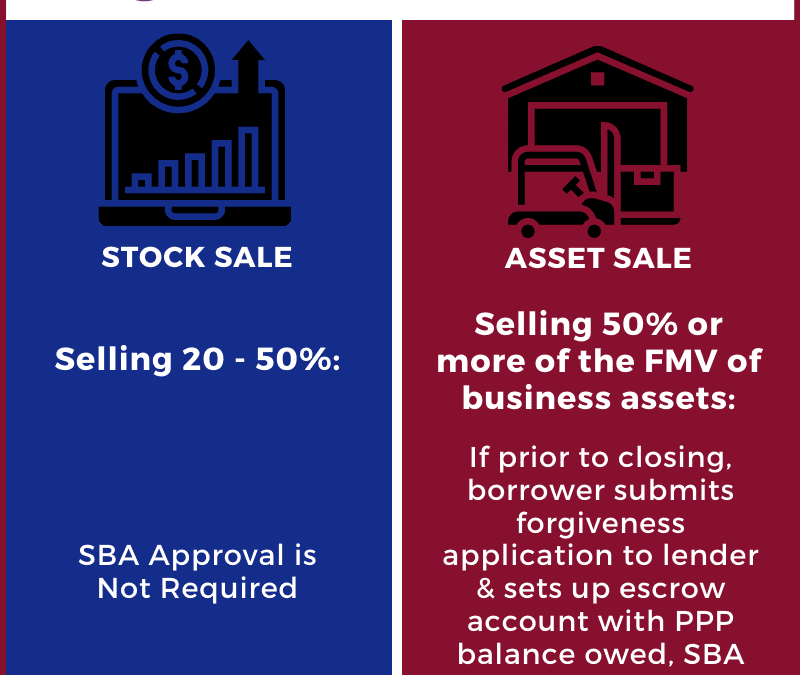
The Small Business Administration (SBA) issued a Procedural Notice on October 2, 2020 which offers business owners and lenders guidance on how Paycheck Protection Program (PPP) Loans are to be handled when a business has a change in ownership.
This post summarizes the notice and includes an Infographic to assist business owners. It includes the following topic:
When does a Business Sale Require the SBA’s Approval
Does a Business Sale Require the PPP Lender’s Approval or Notification
Required Steps Pre and Post-Closing for PPP Borrowers
SBA Timeframe to Approve a Sale or Merger when a PPP Loan Transfers
Does the EIDL Grant Impose Additional Steps When Selling a Business
The COVID 19 Era has begun. In addition to lives lost, there’s an economic toll that has yet to be determined at the time this content is being written. With small businesses on life support, these are scary times for business owners and for the intermediaries helping owners navigate through them. So how has COVID 19 affected business transactions?
If you’re considering the sale of your business, or possibly the acquisition of another competing business, it’s important to understand the selling/buying process.
An often overlooked and important first step during the process of buying or selling a business involves the negotiation of certain terms the buyer and seller will ultimately agree to at the closing table once the due diligence phase of the process is completed.
If either party ignores the importance of the initial terms’ negotiations, they can often end up with a bad deal or no deal at all.
As a business broker serving business owners who want to explore their options for exit, I get this question at almost every listing appointment:
“How long will it take to sell my business?”
The research indicates the answer is as follows:
For businesses that sell for under two million dollars, the IBBA’s research indicates it’s going to take 7-9 months…
Essentially you could have a baby in the time it takes to sell a business.
Many owners aren’t excited about this answer, but there are a few things you can do to expedite the sale of your small business. Let’s explore how to sell a business quickly.
One of the greatest risks any buyer faces is what will happen to the business’ best customers post-sale. Will the top customers celebrate the founder’s great accomplishment or maybe decide it’s a good opportunity to negotiate better pricing or payment terms with the new owner? Or worse yet, will they be spooked by the new owners and find an alternative vendor?
Astute buyers measure this risk quickly. Typically, one of the first questions experienced buyers ask the business broker is about the presence or lack of a customer concentration.
For the business owner considering the sale of his business in the near future, having a clear understanding if a customer concentration exists is vitally important. In fact, the lack of a customer concentration is a great selling point.
Often successful business owners invest in real estate because it can be a tax efficient way to handle the...